July 9, 2026
The realization of an architectural concept requires a solid alignment of creative design and physical durability. Whether envisioning a sleek modern residence, a bustling commercial plaza, or an expansive outdoor entertainment patio, the underlying structural substance must possess the strength to endure environmental stresses while maintaining its aesthetic appeal. For centuries, builders have relied on raw materials to establish the literal foundations of society, but transforming these heavy elements into refined structural masterpieces requires specialized expertise. Partnering with a professional concrete company allows property owners to bridge the gap between abstract blueprinted concepts and robust physical reality, ensuring that every pouring phase is managed with technical mastery.
Navigating a major construction project involves a myriad of choices, ranging from spatial orientation to decorative surface textures. The material chosen to define these spaces must perform multiple roles simultaneously, acting as a load-bearing substrate, a weather-resistant barrier, and a primary visual component of the property. When left to untrained individuals, handling raw mixtures can quickly lead to structural complications, premature cracking, or improper curing that compromises the entire installation. Engaging a certified concrete company guarantees that advanced engineering standards, appropriate chemical formulations, and precise craftsmanship are applied to your project from the initial excavation to the final curing stages.
Analyze Your Structural Blueprint
The construction process begins long before the heavy machinery arrives on site, commencing with a meticulous review of the architectural design. Structural layouts dictate the depth of the excavation, the placement of steel reinforcement grids, and the specific composition of the raw mixture required to support predictable weight loads. A certified concrete company carefully evaluates these physical specifications to ensure the planned installation aligns perfectly with the unique geological characteristics of the construction site. This initial engineering assessment prevents foundational settling and mitigates the risks associated with soil shifting over time.
During this preparatory phase, technical experts determine how moisture barriers and drainage networks will interact with the solid structure. Proper elevation mapping guarantees that rainwater flows safely away from the primary buildings, protecting the structural integrity of the installation. By addressing potential engineering vulnerabilities on paper, professionals streamline the physical installation process, eliminating costly delays and ensuring that the structural framework complies fully with municipal safety regulations and community zoning laws.
Formulate the Ideal Material Mixture
Not all solid structural materials are created equal, and achieving the perfect balance of durability and workability requires precise chemical tailoring. The raw components of the mixture must be carefully portioned based on the specific application, taking into account environmental factors like ambient humidity, peak seasonal temperatures, and expected vehicular traffic. An experienced concrete company utilizes advanced mixing technologies to create specialized blends that resist cracking, scaling, and chemical degradation over decades of continuous exposure.
According to IBISWorld, the U.S. concrete contractors market grew by 2.9% in 2025. This industrial growth reflects the increasing reliance on sophisticated material engineering and custom formulations within the modern building sector. Whether your project demands high-early-strength mixtures for rapid construction progression or low-heat hydration mixtures for massive structural pours, professional material managers ensure that the delivered product exhibits the exact performance characteristics required for long-term reliability and structural soundness.
Build Robust Framing Systems
Before any liquid material can be placed, a highly precise temporary skeletal system must be erected to dictate the final shape and elevation of the installation. Framing systems, or formwork, must be constructed from durable materials capable of withstanding the immense hydrostatic pressure exerted by heavy wet mixtures. A professional concrete company ensures that these boundaries are perfectly aligned, securely braced, and mathematically level to prevent structural bowing or edge misalignment during the pouring process.
Within this temporary framework, technicians install critical structural reinforcement elements such as steel rebar or fiber mesh networks. These internal components provide tensile strength, allowing the cured material to flex slightly under extreme load pressures without fracturing. The precise positioning of this structural steel is vital, as improper placement can leave the installation vulnerable to internal stress fractures. Expert craftsmanship during the framing phase secures the structural geometric accuracy of the final architectural asset.
Execute Flawless Poured Placements
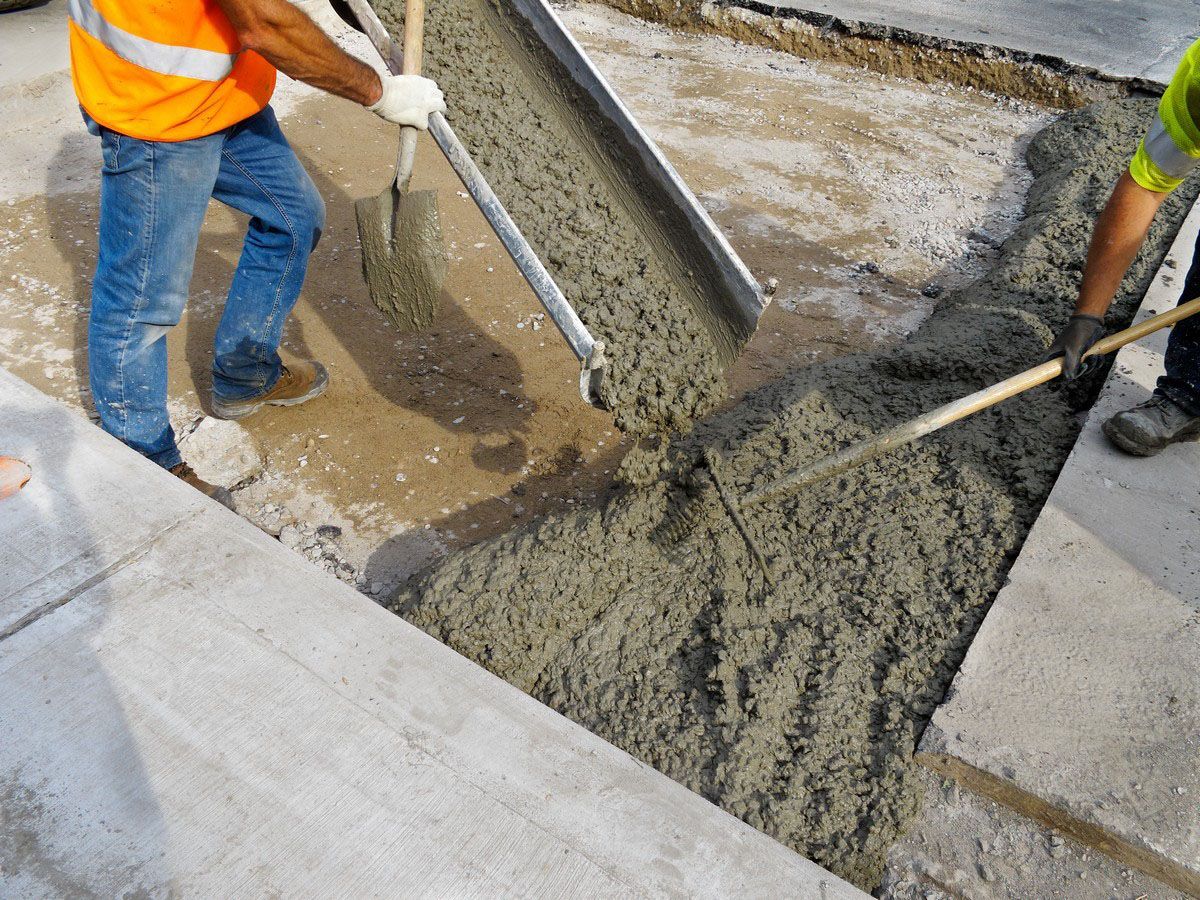
The day of the physical placement represents the most time-sensitive phase of the entire construction process, requiring synchronized logistics and decisive physical labor. Once the transit mixers arrive on site, the liquid material must be discharged, distributed, and consolidated quickly before chemical setting begins. A specialized concrete company coordinates these operations seamlessly, utilizing advanced pumping equipment and chute systems to move the mixture into the prepared formwork without causing material segregation.
Consolidation involves eliminating trapped air pockets within the liquid matrix, which is accomplished using mechanical vibratory tools. Removing these micro-voids ensures that the mixture completely surrounds the internal steel reinforcements and fills every corner of the formwork, maximizing the dense structural capacity of the installation. This intensive, well-orchestrated effort requires experienced labor crews who can read the behavior of the material in real time, adapting to shifting atmospheric conditions on the spot.
Perfect the Architectural Surface Finish
Once the physical mass is securely placed within the forms, the focus shifts from heavy structural engineering to meticulous surface artistry. The top layer of the installation can be finished in a multitude of ways depending on the functional and aesthetic goals of the property owner. A skilled concrete company can transform a simple industrial slab into a visually stunning masterpiece through techniques such as decorative stamping, broom texturing, mechanical troweling, or exposed aggregate finishes.
For outdoor walkways and vehicular driveways, slip-resistant texturing is paramount for safety, while indoor residential floors might require high-gloss polishing for a sleek, contemporary aesthetic. Stamping methods can mimic the appearance of natural stone, brick, or weathered wood, providing a luxurious aesthetic profile at a fraction of the structural maintenance cost. This finishing stage requires an artistic eye and a steady hand, as the window for manipulating the surface texture closes rapidly as the curing process advances.
Monitor the Critical Curing Cycle
The final phase of the structural journey involves managing the hydration process, where the material transitions from a plastic state into an enduring rock-hard compound. Curing is not merely a process of drying; it is a complex chemical reaction that requires moisture retention and temperature control over several days following placement. A dedicated concrete company implements strict curing protocols, utilizing protective moisture blankets, chemical sealing compounds, or continuous misting systems to optimize chemical bonding.
Neglecting this vital final step can reduce the eventual structural strength of the installation significantly, leaving the surface prone to dusting, spalling, and deep structural cracking. Proper curing oversight ensures that the material achieves its maximum rated durability and compressive strength, securing your financial investment for generations. This disciplined approach to project management distinguishes professional exterior construction from temporary, amateur property improvements.
Bringing an ambitious structural vision to fruition demands an unyielding commitment to material science, advanced equipment, and refined technical field execution. At Pave the Way Concrete LLC, we operate as a unified professional team to deliver superior structural solutions and breathtaking decorative craftsmanship tailored specifically to your unique property goals. Our extensive industry experience ensures that your next construction project is handled with absolute precision from the initial soil analysis to the final protective sealing, giving you complete confidence in the lifelong durability of your beautiful new foundation. Contact us today to learn more.